Winter is approaching, and ensuring your home stays warm and safe is a top priority. One common question many homeowners ask is, “Can I clean my furnace myself?” While it might seem like a simple task, proper furnace maintenance is crucial for both efficiency and safety.
A clean furnace not only improves energy efficiency but also reduces the risk of potential hazards. However, understanding the process and the risks involved is essential. DIY cleaning can save money, but it may also lead to unintended consequences if not done correctly. On the other hand, hiring a professional ensures the job is done safely and effectively.
Raye-Van Enterprises Inc., with over 31 years of professional HVAC service, offers licensed gas fitters, local expertise, and 24/7 emergency service. Their commitment to quality workmanship and honest, high-standard service makes them a trusted choice for many homeowners. Contact them at (604) 530-0063 or info@furnacerepairing.ca for expert assistance.
This guide will walk you through step-by-step instructions, necessary tools, safety precautions, and the debate between DIY and professional services. By following the right methods, you can enhance your furnace’s performance and longevity. Stay ahead of winter with a well-maintained HVAC system.
Key Takeaways
- Regular furnace cleaning improves energy efficiency and safety.
- DIY cleaning can be cost-effective but may pose risks if done improperly.
- Professional HVAC services ensure safe and efficient furnace maintenance.
- Raye-Van Enterprises Inc. offers reliable and expert HVAC solutions.
- Proper maintenance enhances furnace performance and extends its lifespan.
Understanding Furnace Cleaning Basics
Regular furnace maintenance is essential for ensuring your heating system operates efficiently and safely throughout the winter months. A well-maintained furnace not only provides consistent heat but also helps reduce energy consumption and prevents potential hazards.
Importance of Regular Furnace Maintenance
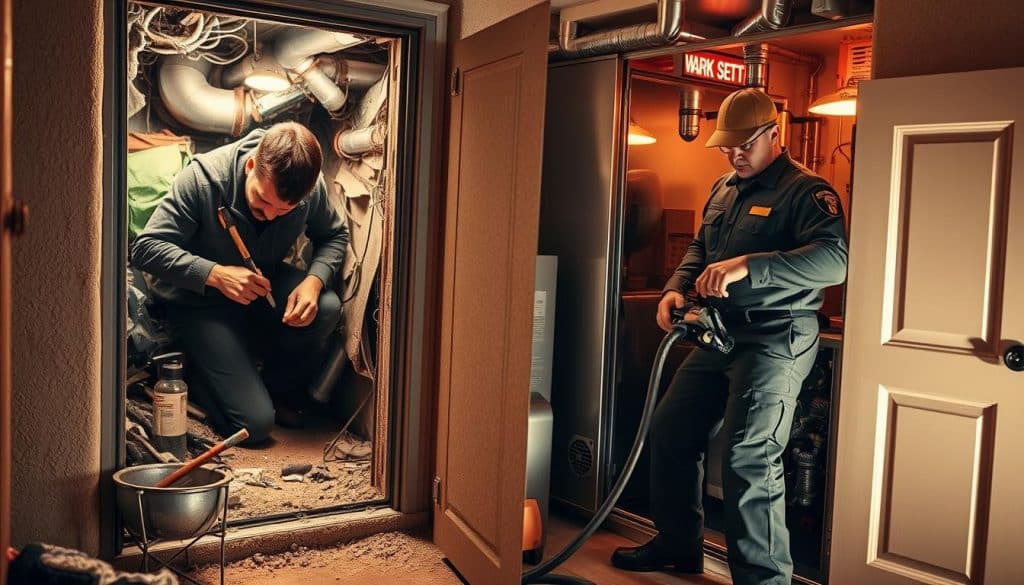
Seasonal efficiency and prolonging the lifespan of your furnace depend heavily on regular maintenance. Dust and debris accumulation can significantly affect indoor air quality, reducing the furnace’s efficiency and potentially leading to higher energy bills. Cleaning key components like the blower and flame sensor is crucial for maintaining proper heat levels and preventing gas-related issues.
Benefits of a Clean Furnace for Efficiency and Safety
Homeowners play a vital role in scheduling routine maintenance and replacing filters as recommended by manufacturers. A clean furnace offers several benefits, including improved performance, reduced energy bills, and enhanced system effectiveness. Proper cleaning also lowers the risk of combustion issues, ensuring a safer home environment.
By following manufacturer guidelines and local safety standards in Canada, homeowners can enjoy long-term cost savings and a more reliable heating system. Regular maintenance not only prevents breakdowns but also extends the furnace’s lifespan, making it a worthwhile investment for any homeowner.
Step-by-Step DIY Furnace Cleaning Guide
Proper furnace maintenance is key to ensuring your heating system runs efficiently and safely. This guide will walk you through the essential steps to clean your furnace effectively.
Preparing Your Furnace: Shutting Off Power and Gas
Before starting, always shut off the power and gas supply to your furnace. Locate the gas valve and turn it to the “off” position. Verify that all controls are off to ensure your safety while working on the furnace.
Cleaning Key Components: Blower, Flame Sensor, and Air Filter
Use a vacuum to gently remove dust and debris from the blower and burner areas. A soft brush can help clear stubborn particles. The flame sensor should be wiped with a soft cloth to ensure proper function. Always check and replace your air filter as recommended, typically every 1-3 months during peak use.
Regular cleaning can improve energy efficiency and reduce risks. For more detailed maintenance schedules, visit this guide for expert advice.
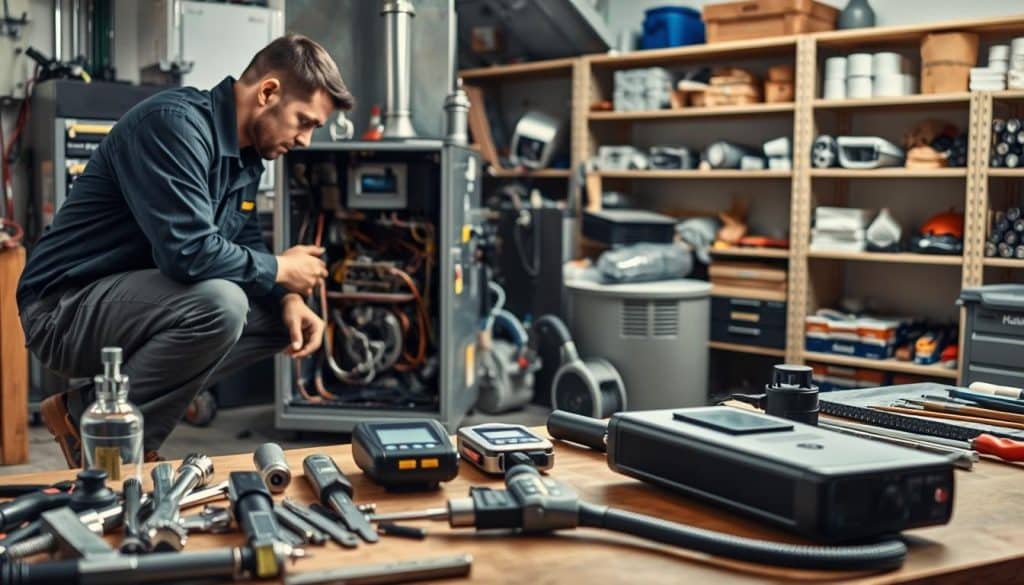
Can I clean my furnace myself? The DIY vs Professional Debate
When it comes to furnace maintenance, many homeowners wonder if they can handle the task themselves. While DIY cleaning can seem cost-effective, it’s crucial to weigh the risks and benefits.
Identifying Signs That Require Professional Attention
Excessive soot, irregular flames, or short cycling are clear indicators that professional help is needed. These issues often require specialized tools and expertise to resolve safely and effectively.
Common Pitfalls of DIY Furnace Cleaning
DIY attempts can lead to overlooked critical steps, potential safety hazards, and even system damage. Improper cleaning might cause efficiency issues or combustion problems, which could be costly to fix.
Hiring a licensed HVAC technician ensures thorough inspection and proper adjustments, preventing long-term damage. While DIY might save money initially, the risks often outweigh the costs, especially during winter when reliable heat is essential.
Efficiency and safety should never be compromised. If you’re unsure about any aspect of furnace maintenance, it’s best to consult an expert. For more information on professional services, visit this guide.
Essential Tools and Safety Precautions for Furnace Maintenance
Proper tools and safety measures are vital for effective and safe furnace maintenance. Using the right equipment ensures your furnace operates efficiently while protecting you from potential hazards.
Recommended Cleaning Tools and Equipment
To clean your furnace effectively, you’ll need a few essential tools. A vacuum with brush attachments is perfect for removing dust and debris from the blower and burner areas. A socket set helps remove the furnace door and access internal components like the furnace filter. A soft-bristle brush is ideal for gently sweeping away dust without damaging parts.
Critical Safety Guidelines and Best Practices
Always turn off the power and gas supply before starting any maintenance. This ensures your safety while working on the unit. When handling the flame sensor, avoid using bare hands to prevent damage. Wear protective gear like gloves and safety glasses to avoid accidents. Regularly inspecting and cleaning these critical parts not only improves efficiency but also extends the lifespan of your furnace.
Conclusion
Proper maintenance is crucial for ensuring your heating system operates efficiently and safely. While DIY cleaning can be cost-effective, it’s important to weigh the risks and benefits. Regular cleaning routines improve heating efficiency and extend the life of your gas furnace, while neglecting safety measures can lead to damage and higher costs.
Investing in quality maintenance saves money in the long run by avoiding costly repairs. A well-maintained furnace system ensures consistent power and heating performance during cold Canadian winters. If unsure, consulting an expert like a qualified HVAC technician ensures optimum quality and safety.
Raye-Van Enterprises Inc. offers reliable, high-quality service with a strong commitment to safety and efficiency. Contact them today for professional assistance and ensure your home stays warm and safe all winter long.
FAQ
Can I clean my furnace myself?
Yes, you can perform basic furnace cleaning tasks yourself, such as replacing the air filter and vacuuming debris. However, for deeper cleaning or complex issues, it’s best to hire a licensed HVAC technician to ensure safety and efficiency.
How often should I clean my furnace?
Regular maintenance is key. Clean or replace your furnace filter every 1-3 months and schedule a professional inspection annually to maintain optimal performance and safety.
What are the signs that I need professional furnace cleaning?
If you notice reduced heating, higher energy bills, or unusual noises, it’s time to call a professional. These signs indicate potential issues that require expert attention.
What tools do I need to clean my furnace?
Essential tools include a vacuum cleaner, a soft-bristle brush, and a screwdriver. Always turn off the power and gas supply before starting any cleaning task.
How does a clean furnace improve energy efficiency?
A clean furnace operates more efficiently, reducing energy consumption and lowering your utility bills. A dirty furnace works harder, which can lead to higher costs and potential system damage.
What safety precautions should I take when cleaning my furnace?
Always shut off the power and gas supply before cleaning. Wear protective gloves and eyewear, and never use flammable materials near the furnace to avoid hazards.
Can DIY furnace cleaning save me money?
While DIY cleaning can save money, it’s important to know your limits. Improper cleaning can lead to costly repairs, so consider hiring a professional for complex tasks to avoid future expenses.